Concrete Cutting
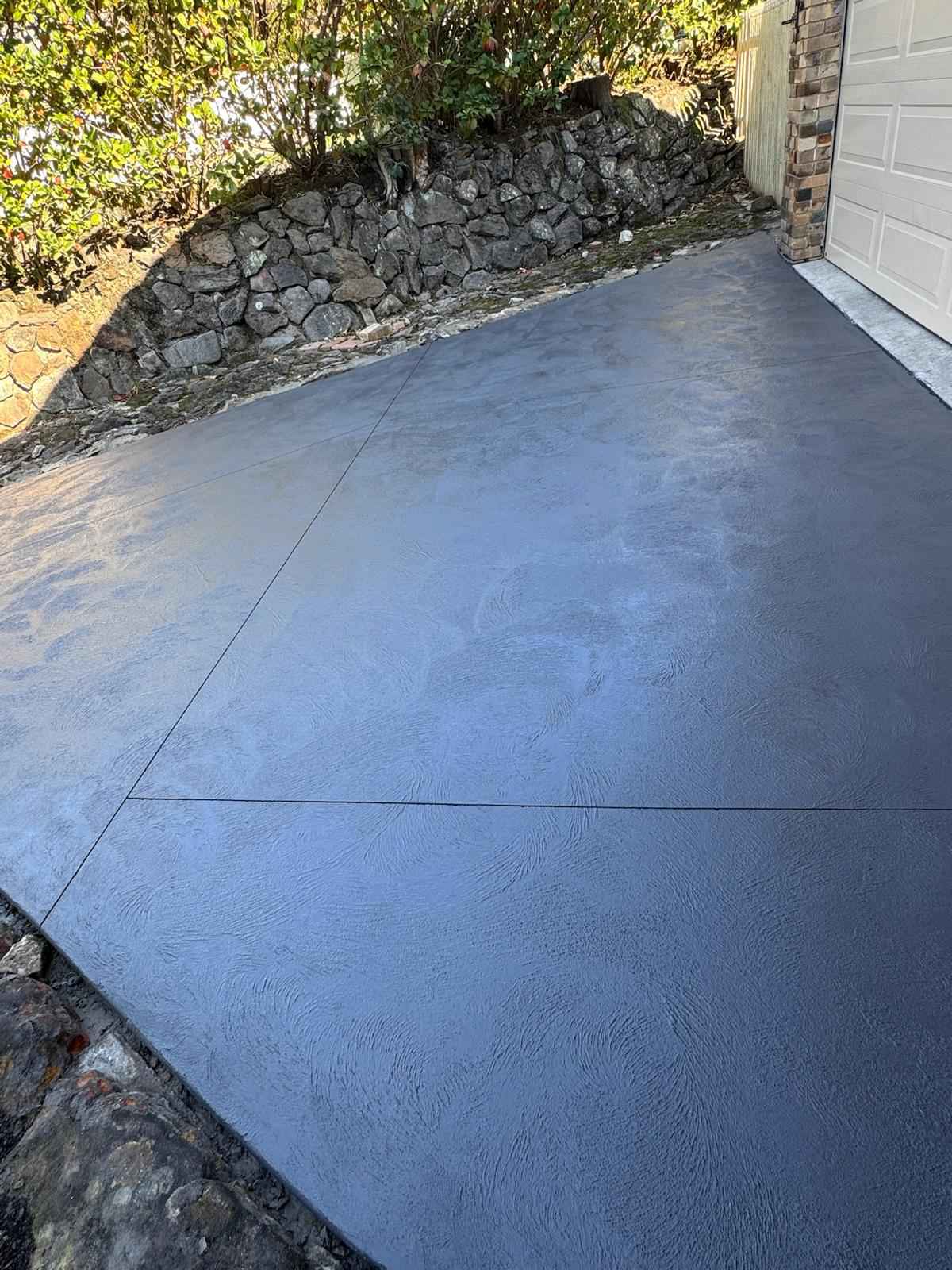
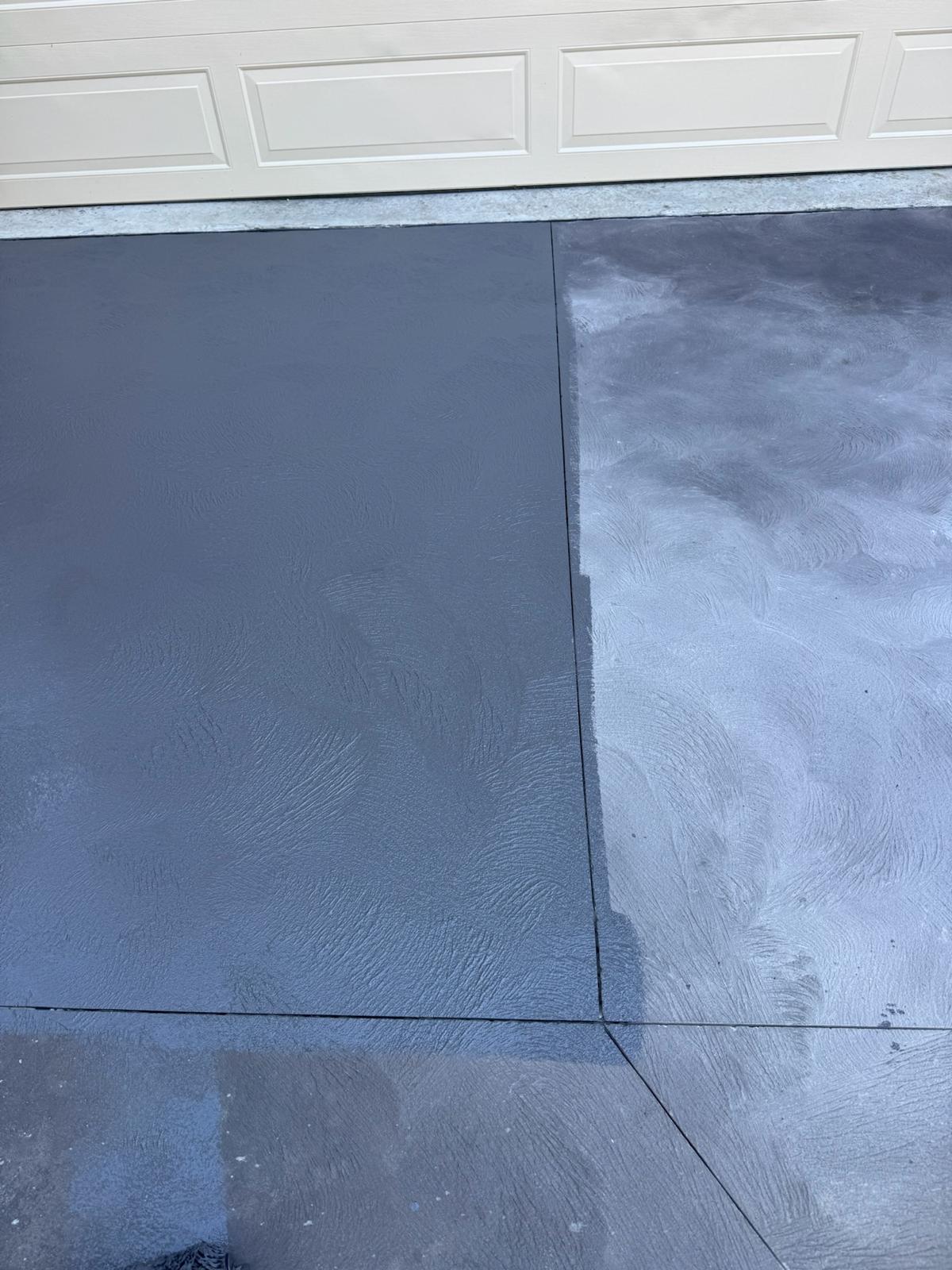
Concrete cutting is more than just slicing through a slab—it's about precision, control, and creating clean finishes that support structural integrity. Whether you're preparing for plumbing lines, electrical channels, expansion joints, or controlled demolition, cutting plays a vital role. The right equipment and technique ensure minimal disruption to the surrounding structure while producing smooth, accurate results. It’s used across residential, commercial, and industrial settings, making it one of the most versatile services in construction and renovation. Professionals rely on it to safely modify slabs, walls, footpaths, and floors without compromising safety or quality. Whether it’s a new build or a retrofit, concrete cutting lays the groundwork for efficient progress. If done right, it's quick, clean, and perfectly aligned with your project's goals.
The process involves much more than just a blade—understanding the material and project scope is essential. Different types of concrete, thicknesses, and reinforcement levels require different approaches. For instance, a heavily reinforced floor slab demands a different cutting depth and tool setup compared to a thin walkway. Choosing between wet cutting and dry cutting, core drilling or flat sawing, depends on the job at hand. That’s why professional assessment is critical before starting any work. With precise planning, cutting can improve speed, reduce dust, and avoid unnecessary damage. A good concrete cutting service doesn’t just cut—it strategizes to keep the job smooth and safe. When experience meets the right tools, great results follow.
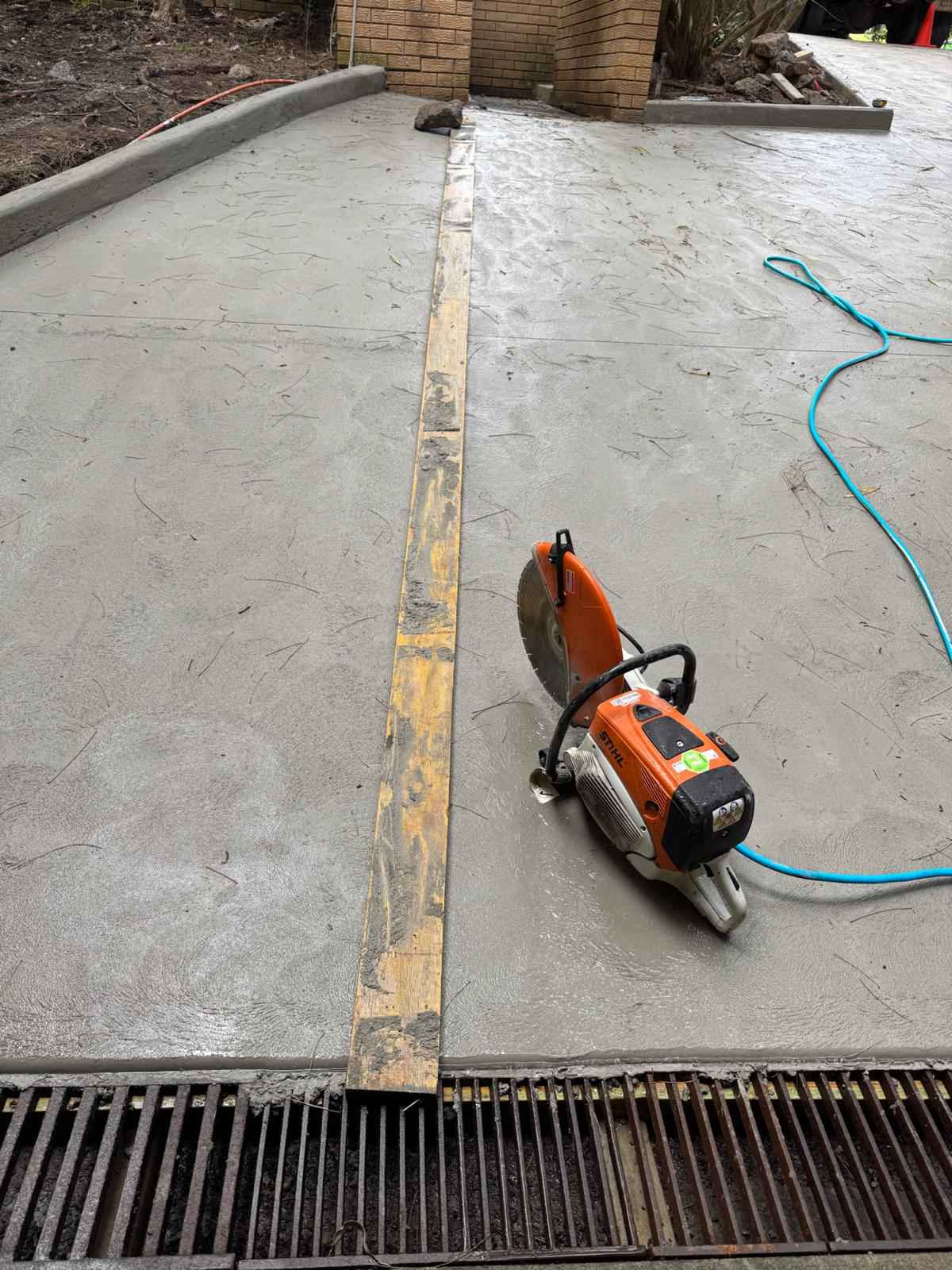
One of the most popular methods in modern concrete cutting is diamond blade sawing. These high-performance blades are engineered to handle dense materials with minimal wear and tear. They produce cleaner edges, faster cuts, and greater accuracy, especially in reinforced concrete. Diamond saws can be used in handheld tools, walk-behind machines, or wall-mounted rigs depending on the task. The advantage is not only speed but also reduced vibration, which protects nearby structures and surfaces. These blades can be used for a variety of applications, from doorway adjustments to expansion joints. Their reliability has made them an industry standard for both large-scale and fine-detail cutting. When precision matters, diamond blades are the go-to choice.
For vertical surfaces like walls or slabs, wall sawing is the ideal technique. This method uses a track-mounted system that allows for smooth, straight cuts in concrete walls of various thicknesses. It’s often used to create precise openings for windows, doors, HVAC systems, or conduits. Because the saw is guided along a fixed track, the risk of uneven lines or accidental overcuts is significantly reduced. Wall sawing is particularly useful in renovation projects where space is tight or access is limited. Its low-vibration, high-accuracy performance makes it perfect for projects in finished buildings or sensitive environments. The result is a sharp, clean cut that supports further structural or cosmetic work. If you need perfection in a vertical plane, wall sawing delivers.
When it comes to deeper cuts or core access, core drilling offers a specialized solution. This method is used to create perfectly round openings in concrete floors, walls, and ceilings. It’s ideal for plumbing access, cable routing, HVAC installation, and anchor bolt placement. Core drills can cut through concrete, brick, block, and stone with remarkable precision and very little disruption. The process generates minimal dust and noise, making it suitable for both new builds and active environments. Hole diameters can range from small to very large, depending on what the project demands. Professionals use core drilling to achieve clean results without causing cracks or fractures in surrounding surfaces. It’s the silent workhorse of any precision concrete project.
Safety is an essential part of every concrete cutting job, and it’s never something to take lightly. The process involves high-powered equipment, sharp tools, dust, noise, and occasionally wet conditions. That’s why trained technicians follow strict safety procedures to protect not only themselves but also the surrounding structure and people nearby. Wearing the right gear, setting up controlled work zones, and using water suppression or vacuums to manage dust are all standard practices. Whether indoors or outdoors, maintaining a safe workspace keeps projects on track and within regulation. Choosing experienced operators ensures the job is done efficiently without unnecessary risks. When safety is prioritised, so is the quality and longevity of the work itself.
Concrete cutting isn’t just functional—it also supports better design and renovation flexibility. Need to widen a doorway? Add a skylight? Change your floor plan? Strategic cutting allows you to reshape your space without a full demolition. It provides the freedom to reconfigure a property’s structure while preserving the majority of the original construction. In landscaping, it’s used to create clean edges for steps, retaining walls, and garden features. In commercial settings, it's key for installing new machinery, re-routing utilities, or expanding floor space. With the right service, concrete cutting opens the door to creative and efficient building modifications. It’s the tool that turns limitations into possibilities.
In summary, concrete cutting is an essential part of modern construction and renovation. From core drilling to flat sawing, each method brings precision, efficiency, and flexibility to the job site. It reduces waste, shortens timelines, and allows for smart modifications that would otherwise be complex or costly. Whether you’re upgrading your home, expanding your business, or managing a commercial build, professional concrete cutting delivers the control and accuracy you need. It’s a service where skill, planning, and technology come together to support every stage of your project. Don’t settle for rough cuts or guesswork—invest in a solution that’s clean, measured, and built to last.